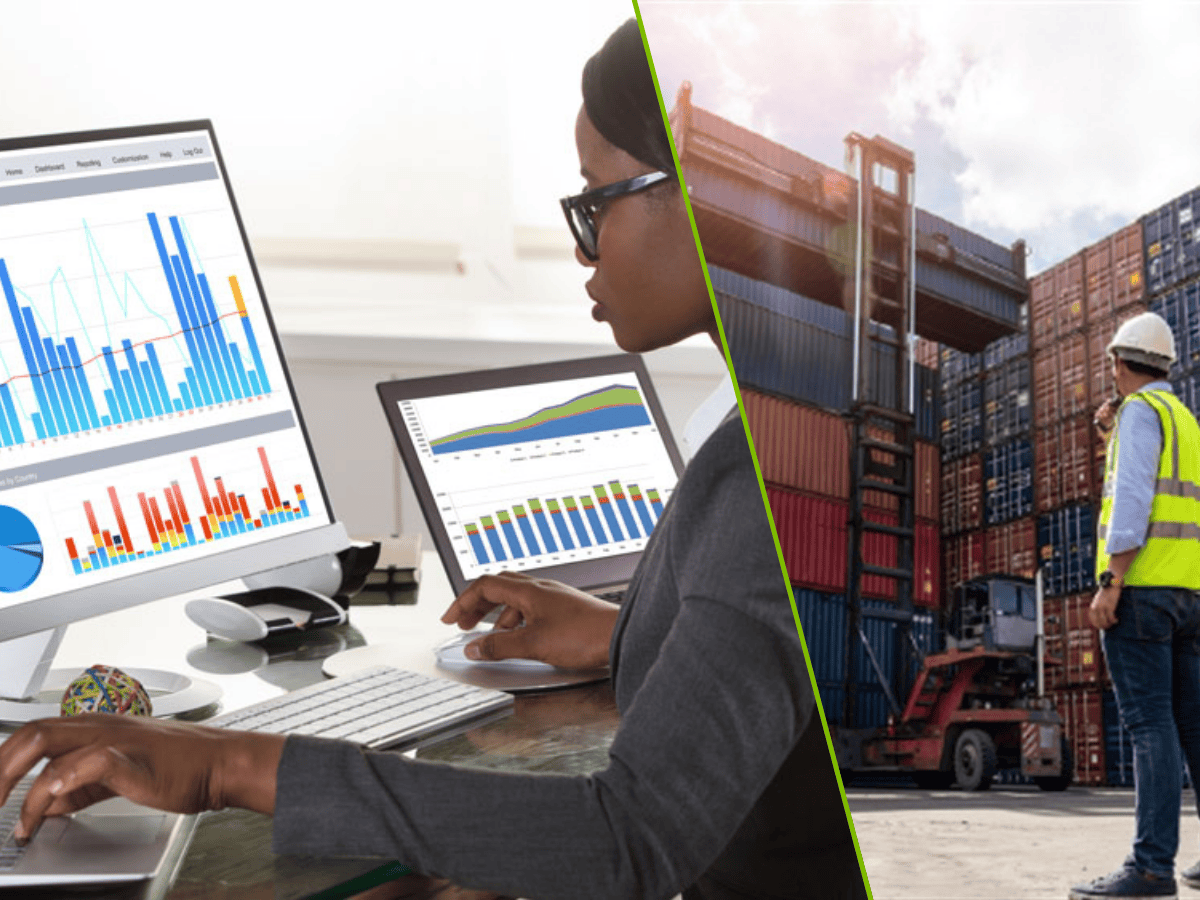
Logistics is undergoing a quiet revolution. AI isn’t a buzzword anymore, it’s becoming essential infrastructure. Globally, AI in logistics is expected to cross $20B in value in 2025, with companies reporting faster deliveries, reduced fuel costs and better customer experience. It isn’t about replacing humans. It’s about giving every planner, dispatcher and ops manager the power to act on real-time intelligence.
West Africa, with its fast-growing e-commerce, retail and
FMCG sectors, is at an inflection point. The region’s logistics market is
expected to grow up to $71B by 2033, driven by rising digital demand, urban
expansion and new trade corridors. But traditional supply chains aren’t built
to scale at this pace: roads are congested, warehousing is fragmented and
visibility is limited.
Across global supply chains, there are four major technology shifts which can tackle these challenges head on :
- Static route planning cannot keep up with West Africa’s real-world complexity. AI engines ingest data from past deliveries, fuel spend and road conditions. Thus it can continually reallocate loads to optimize for efficiency and reduce idle fleets.
- Most demand forecasts in emerging markets rely on spreadsheets or experience. AI models, on the other hand, blend historical data, seasonality and external triggers: festivals, weather shifts, promotions, to predict inventory needs with far greater accuracy. For a distributor or FMCG brand, that means lower working capital, fewer stockouts and better replenishment cycles across warehouses.
- Warehouses and transport hubs are moving towards autonomy. AI systems today can allocate storage, assign workforce tasks, flag expiry risks and even process inbound receipts using computer vision. What used to require constant human supervision is now handled by self-learning systems that get smarter with every operation.
- The most powerful impact of AI comes from integration: linking suppliers, transporters and retailers into one control tower.Connected dashboards powered by AI unify suppliers, transporters and retailers, giving business leaders real-time visibility into exceptions, ETAs and performance.
Why It Matters Now
West Africa’s logistics footprint is expanding - through highways, ports and digital platforms. More complexity means higher stakes: as cross-border trade accelerates, companies need real-time intelligence to adapt, compete and thrive.
Adaptive algorithms has shown how operators autonomously manage capacity, routing and warehouse operations at scale. As digitization accelerates in African markets, AI offers the intelligence for smarter, faster, and more resilient supply chains.

For businesses looking to survive the next wave of transformation in the Supply chain and logistics sector in Africa, Ai is no longer a nice to have but rather a must have.
The Future: From Reactive to Autonomous Supply Chains
AI is pushing logistics from tracking to decision-making. Soon, transporters will auto-bid for loads, trucks will self-diagnose maintenance needs and warehouses will reorder stock without a single manual click. For companies in e-commerce, retail, FMCG, or manufacturing, this is the window to act. Those who digitize today will define tomorrow’s logistics standards for the continent.
Want to know more?
Book your Deep dive session here
About the Author:
Amit Sangle is the Associate Director – Technology at
ElasticRun (A Tech-Driven Logistics Company)